Understanding Water Stains: Causes, Solutions, and How Absolute Can Help
Water stains on ceilings and walls are a common problem in many homes. They can start as small, barely noticeable marks but quickly become a sign of a bigger issue. Ignoring these stains can lead to costly repairs and damage to your property. This post explains what causes water stains, how to identify if a stain is serious, what steps to take, and whether painting over a stain is a good idea. Finally, it highlights how a painting company like Absolute Property Service can help refresh your ceilings and walls after water damage.
What Causes Water Stains
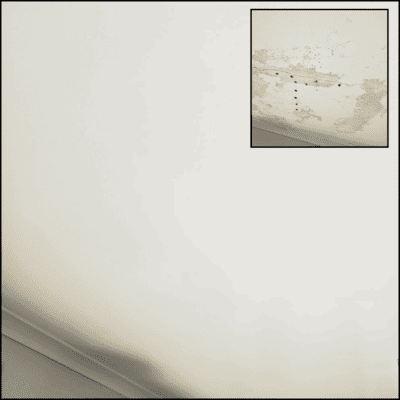
Water stains usually appear as discolored patches on ceilings or walls. The most common causes include:
Leaking Roofs: Damaged or missing tiles allow rainwater to seep into the roof cavity and drip onto ceilings.
Plumbing Issues: Burst pipes, leaking faucets, or faulty plumbing connections inside walls can cause water to pool and stain surfaces.
Condensation: Poor ventilation in bathrooms or kitchens can lead to moisture buildup, which eventually causes stains.
Appliance Leaks: Washing machines, dishwashers, or water heaters can leak and cause stains on nearby walls or floors.
Clogged Gutters: When gutters overflow, water can run down walls or seep into the foundation, causing stains inside the home.
Water stains often start as small spots but can grow larger if the source of moisture is not fixed. The colour of the stain can vary from light yellow to dark brown, depending on the material and how long the water has been present.
How to Tell if a Water Stain Is Serious
Not all water stains are equally urgent. Some may be harmless, while others signal a serious problem. Here are signs that a water stain needs immediate attention:
Size and Spread: A stain that is growing or spreading quickly means water is still leaking.
Texture Changes: Bubbling, peeling, or cracking paint around the stain indicates moisture damage.
Musty Odor: A damp smell near the stain suggests mold or mildew growth.
Soft or Sagging Ceiling: If the ceiling feels soft or sags, it may be weakened by water and is at risk of collapse.
Repeated Stains: If a stain reappears after cleaning or painting, the source of water is still active.
If you notice any of these signs, it is important to investigate the cause and fix it before the damage worsens.
What to Do When You Find a Water Stain
Finding a water stain means you should act quickly to prevent further damage. Here are practical steps to take:
Identify the Source
Check for obvious leaks such as dripping pipes, roof damage, or appliance issues. Sometimes the source may be hidden behind walls or ceilings, requiring professional inspection.
Stop the Leak
Fix the leak as soon as possible. This may involve repairing a roof, replacing plumbing parts, or improving ventilation.
Dry the Area
Use fans, dehumidifiers, or open windows to dry the stained area thoroughly. Moisture left behind can cause mold growth.
Clean the Stain
Mild stains can be cleaned with a mixture of water and mild detergent. For mold or mildew, use a solution with bleach or a commercial cleaner designed for mold removal. Always wear protective gear when handling mold.
Assess Damage
Check if the drywall, plaster, or ceiling material is damaged. Severely damaged areas may need to be replaced.
Consider Painting
After the area is dry and repaired, you can repaint to restore the appearance. Use a stain-blocking primer to prevent the stain from bleeding through the new paint.
Can You Just Paint Over a Water Stain?
Painting over a water stain without addressing the underlying problem is a common mistake. Here’s why:
Stain Bleeding: Water stains contain tannins and minerals that can seep through regular paint, causing discolouration to reappear.
Mold Growth: Painting over damp areas traps moisture, encouraging mold and mildew.
Structural Damage: If the source of water is not fixed, the damage will continue, making repainting a temporary fix.
If the leak is fixed and the area is dry, use a stain-blocking primer before painting. This primer seals the stain and prevents it from showing through the new paint. Skipping this step often leads to frustration and repeated repairs.
Why You Should Not Ignore Ceiling Stains
Ceiling stains often start small but can quickly become serious. Ignoring them can lead to:
Worsening Water Damage
Water can weaken ceiling materials, causing sagging or collapse.
Mold and Mildew Growth
Damp areas are breeding grounds for mold, which can affect indoor air quality and health.
Higher Repair Costs
Early repairs are usually simple and affordable. Delays can lead to major structural repairs.
Damage to Personal Property
Water stains can spread to walls, floors, and furniture, causing more damage.
Taking action early saves money and protects your home’s value.
How Absolute Can Help Refresh Your Ceilings and Walls
After water damage is repaired, restoring the appearance of your ceilings and walls is important. Absolute Property Service offers professional painting and repair services to bring your home back to life. Here’s how they can help:
Expert Assessment
We inspect the damage to determine the best repair and painting approach.
Where require we will replace damaged plasterboard. If the stain is not severe, we will clean stains and apply stain-blocking primers to ensure the stain does not reappear.
We use premium paints and techniques, which ensure a smooth, even finish that lasts.
Mold Prevention
We use products that resist mold growth, improving your home’s health.
Efficient Service
Our team works quickly and cleanly, minimising disruption to your daily life.
Choosing a trusted painting company like Absolute Property Service means your ceilings and walls will look fresh and be protected against future problems.
Water stains are more than just an eyesore. They often signal leaks or moisture problems that can cause serious damage if ignored. Identifying the cause, stopping the leak, drying the area, and properly repairing and painting the surface are key steps to protect your home. Painting over stains without fixing the problem only delays the inevitable.
For an obligation-free quote, please contact Absolute today.